What this site is for
Córdoba is a small city with an outsized history, and the two things do not sit together comfortably. The old city is about a kilometre across and you can walk its outline in a morning; the history it carries runs from a Roman provincial capital through the seat of a caliphate to a provincial Spanish town, and most of it is still physically present.
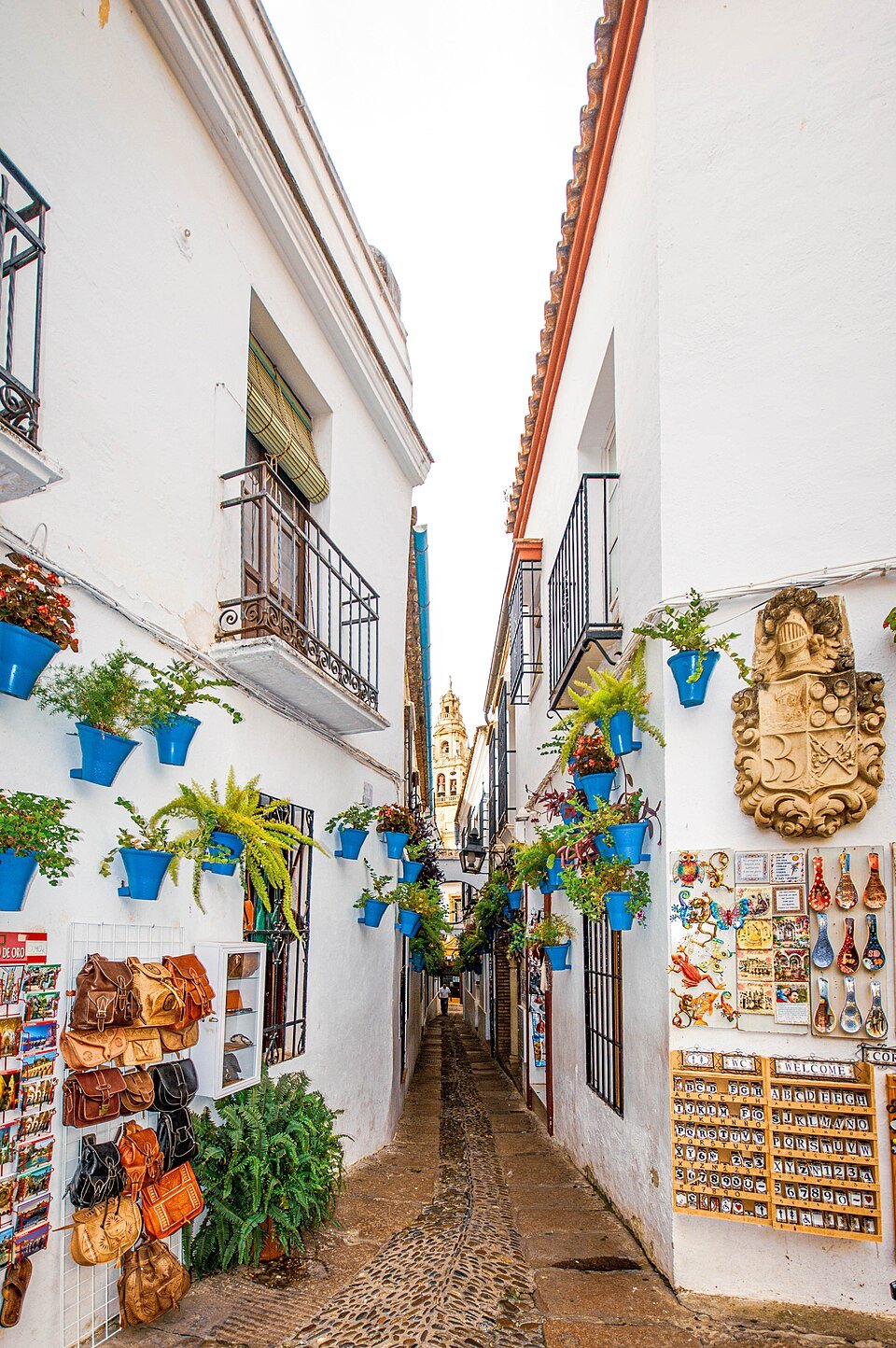
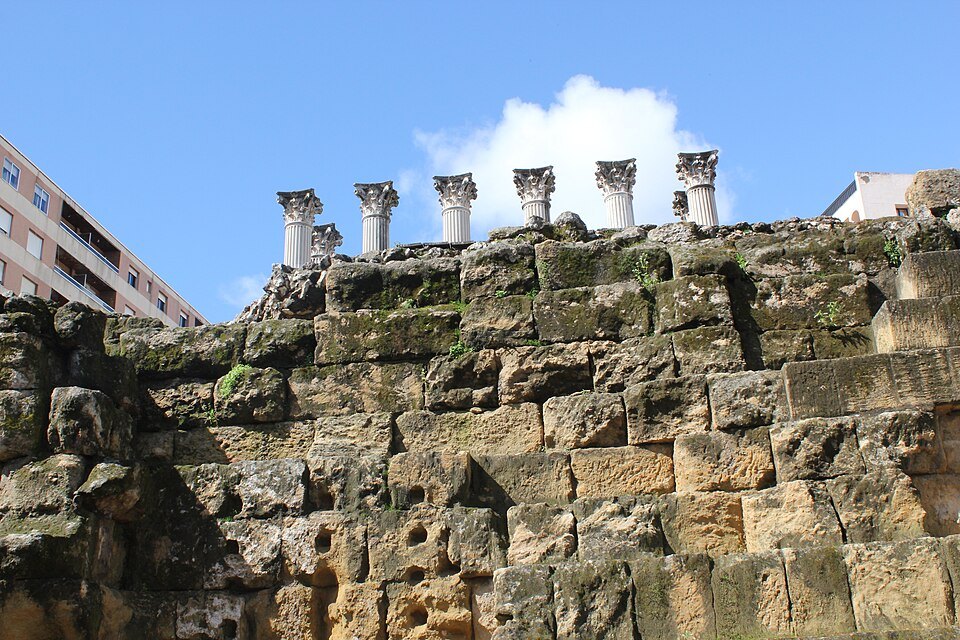
So this site is organised around that layering rather than around a list. The Mezquita is a mosque with a cathedral inside it. The archaeological museum sits on a Roman theatre. The Judería keeps a medieval street plan under modern shopfronts. Once you see the city that way it stops being a jumble of periods.
There are twenty sight pages, itineraries by how long you have, day trips into the province, and a journal that adds one piece at a time on the practical questions that do not fit on a sight page.
What you will not find here
No prices, opening times, fares or slot times. Not anywhere, not once. These change without notice and a guide that quotes them is wrong within months. Where something has a free window or has to be booked, the page says so and says the operator publishes the detail.
No repeating that the Mezquita is the biggest mosque in the world. It is not, and it has not been a mosque since the 13th century. It was among the largest when it was expanded and it remains one of the largest surviving buildings of its kind, which is remarkable enough without inflating it. Islamic prayer inside it is not permitted — a question that has been raised repeatedly and is unresolved. This site records that rather than taking a side.
No invented detail. No made-up quotes, no invented experts, and no figure put in because a sentence wanted one. Where a date is disputed — Maimonides' birth year, for instance — it is left out rather than picked.
How it is made
Access Córdoba is written and maintained with the assistance of AI. That is not a disclaimer buried in a footer, so here is what it actually means.
The research, the drafting and most of the page assembly are done with AI tools. A person sets what each page is for, reviews the copy before publication, and checks the claims that matter — dates, names, what is free, what is seasonal. Photographs are reviewed on a contact sheet before publication rather than after.
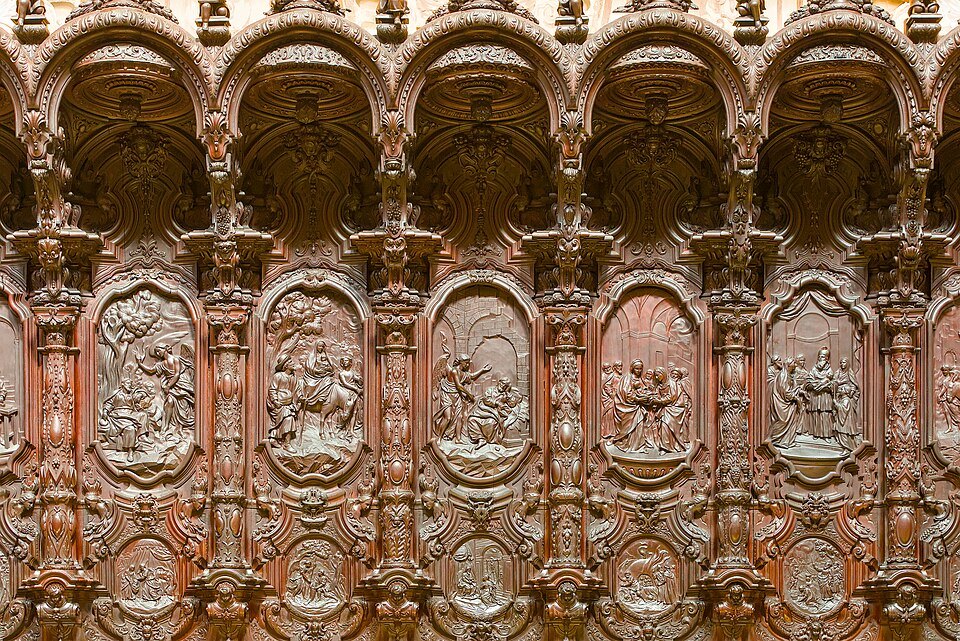
That review is not decorative. On this build the automatic ranking put a carved baroque panel at the top of the Mezquita's photographs and an olive tree at the top of Medina Azahara's. Both were caught by looking, and both were replaced before anything went live.
It is not a perfect process and it is not pretending to be. If something here is wrong, the contact form goes to a person who will fix it.
Photographs
The photographs come from Wikimedia Commons and are used under their individual licences. Every image carries its own credit, on the page it appears on.
Filtering them is harder here than the name suggests. Córdoba, Argentina is a larger and more photographed city than this one, and an unfiltered search for "Córdoba" returns roughly half its results from the wrong continent. Add Córdoba in Mexico, a department of Colombia, a SEAT model and a guitar brand, and a bare city name proves nothing at all. Everything here had to carry independent evidence of Andalusia before it was used.
Córdoba, on the ground