Qurtuba
Córdoba became the capital of Islamic Iberia in the 8th century and the seat of a caliphate in 929, under Abd al-Rahman III. At its height it was among the largest and most learned cities in the world, with libraries, running water and street lighting at a scale that had no European parallel at the time.
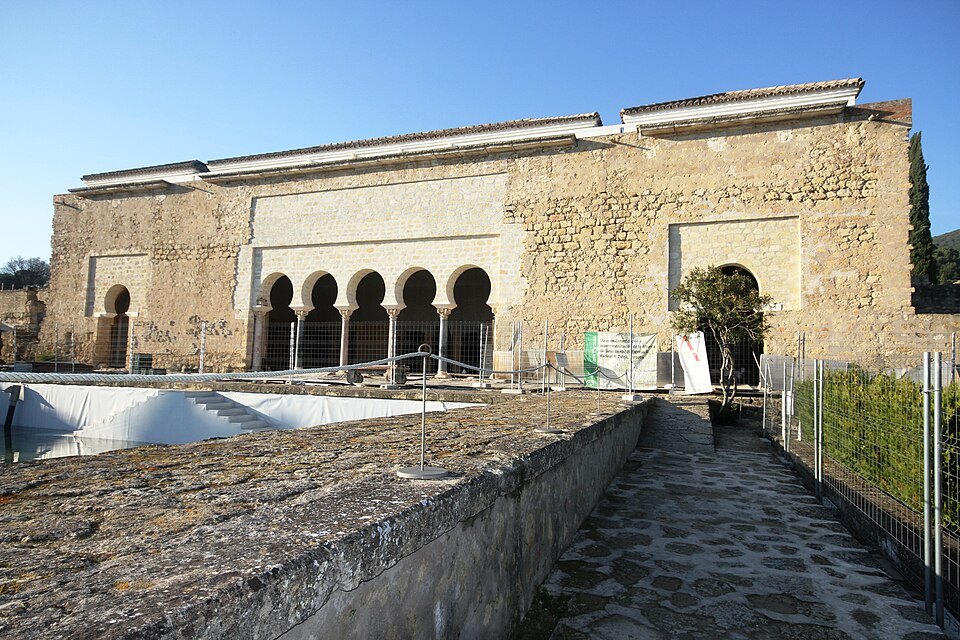
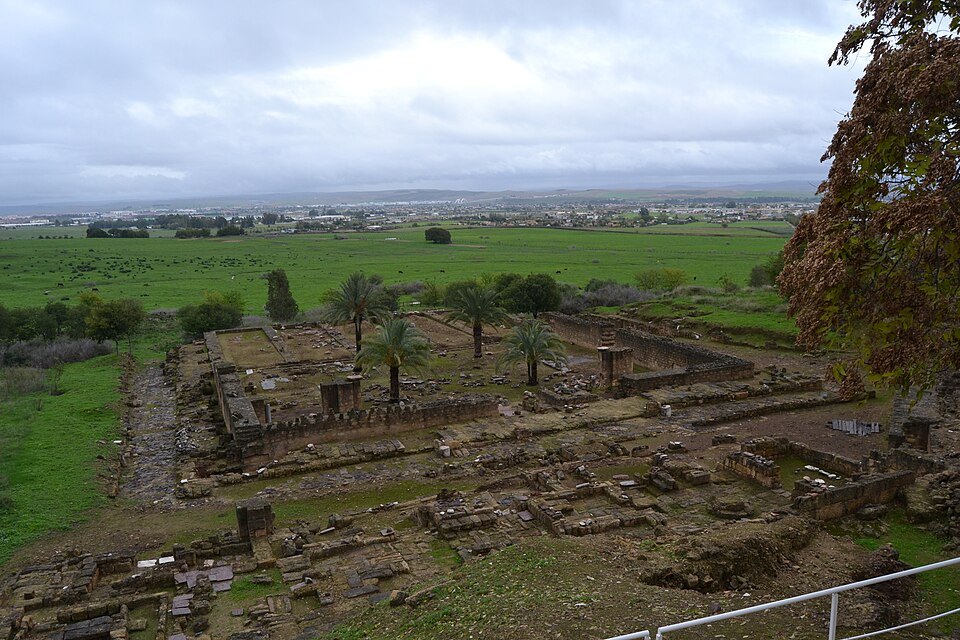
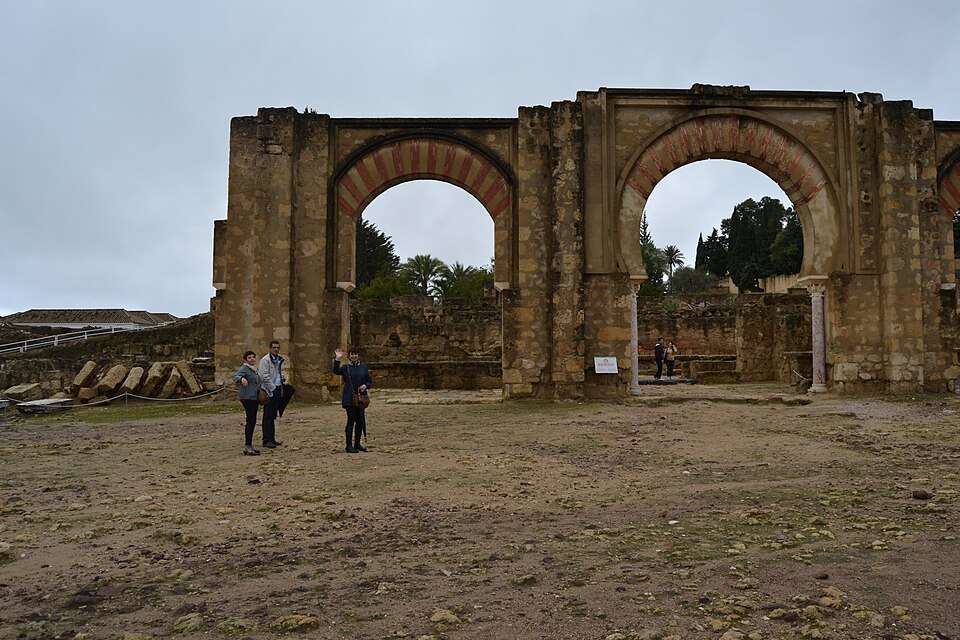
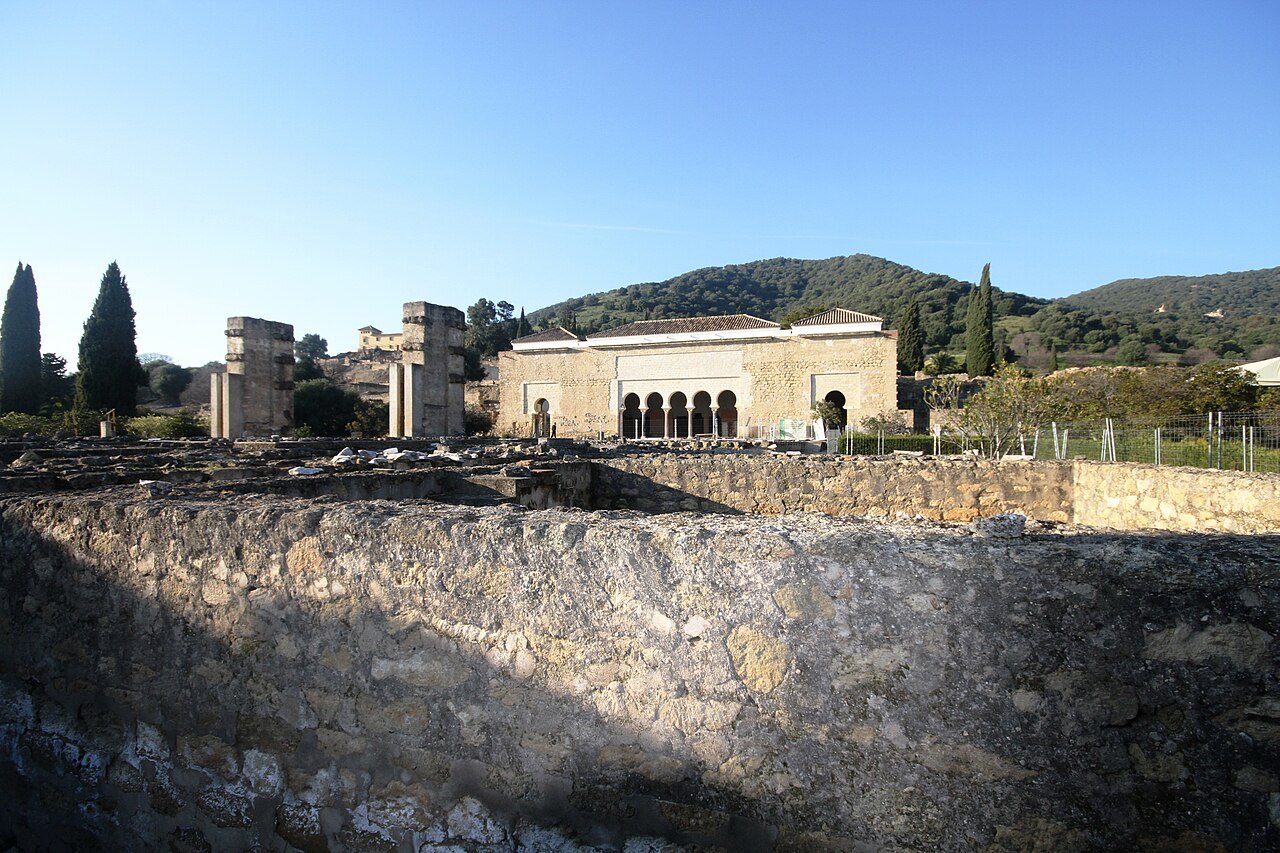
⚠️ The superlatives attached to that period are repeated loosely and often. What is solid is that the city was very large, very rich, and a centre of scholarship — and that it collapsed fast. The caliphate fell apart in civil war in the early 11th century, and Medina Azahara, built to display its power, was sacked within seventy years of being founded.
What is left to see
The Mezquita is the obvious answer. Less obvious: the caliphal baths, the ruins at Medina Azahara, and the archaeological museum, which is where the loose material ended up and where the sequence makes sense.
The people
Averroes — Ibn Rushd — was born here in 1126 and his commentaries on Aristotle reached Latin Europe and changed what could be argued there. Maimonides was born here in the same century and left as a child when the Almohads took the city; he wrote his major work in Egypt.
⚠️ Both are claimed enthusiastically by the city and both left it. That is worth knowing before you read the statues.